






From the initial concept through lighting design and simulation to implementation, we support projects with custom lighting solutions for sophisticated architecture.
What Makes for Good Architectural Lighting
Good architectural lighting showcases buildings and public spaces in a targeted way without drawing attention to itself. Key factors include precise light control, the appropriate light color, and a design tailored to the architecture and intended use. We also take into account energy efficiency, light emissions, and—where necessary—the specific requirements of historic preservation.
Aesthetics
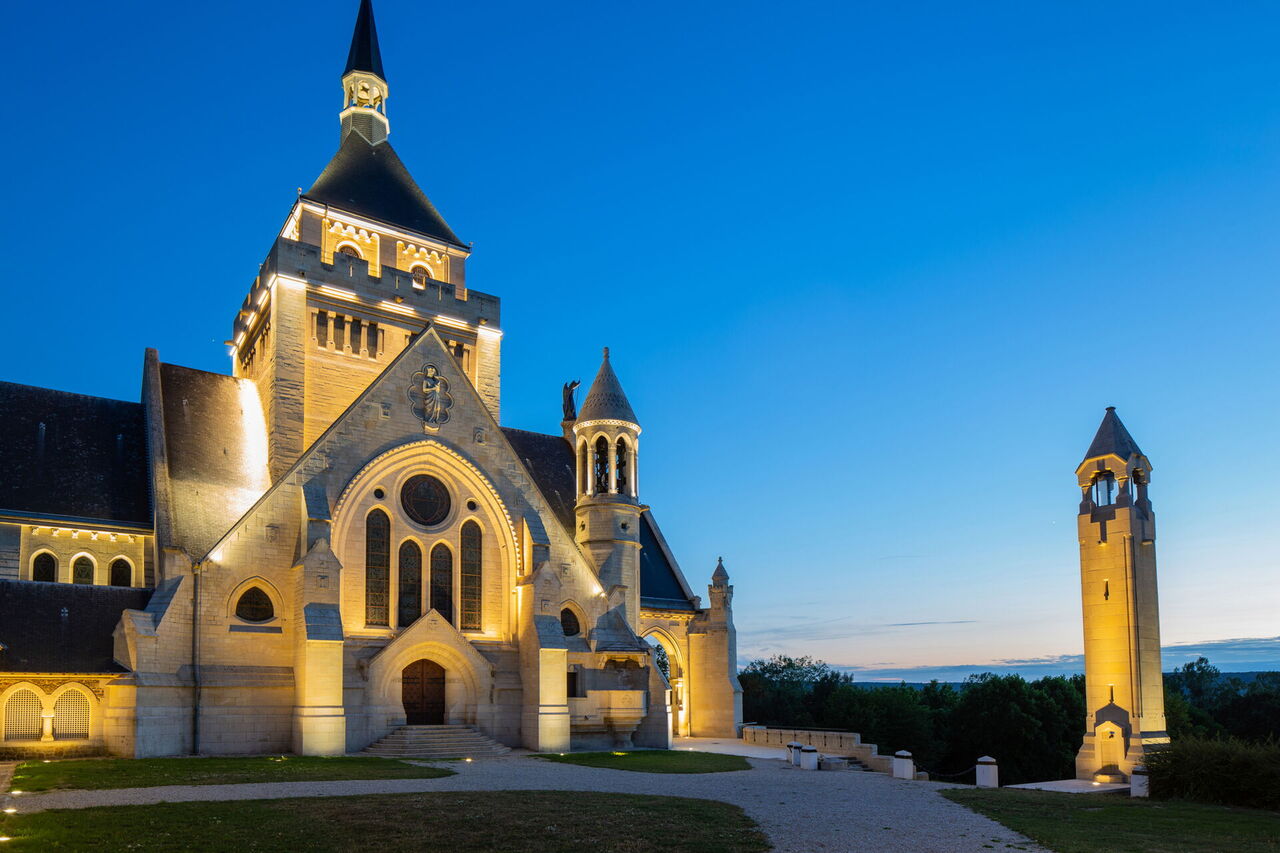
Respect architecture and highlight it in a targeted way.Good lighting enhances a building's design without drawing attention to itself. Light highlights distinctive details, materials, and textures, and blends harmoniously into the architecture.
Effect
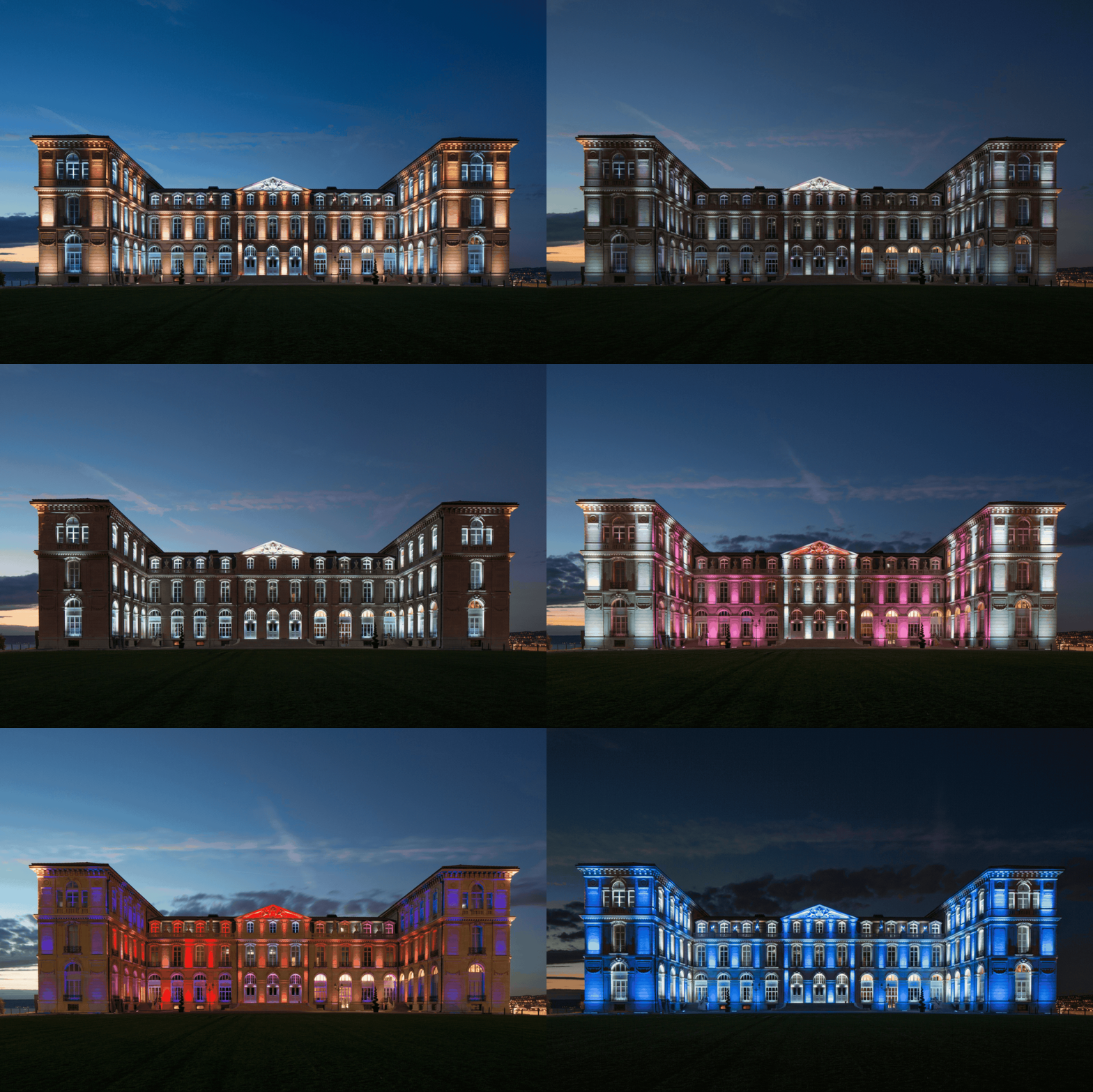
Creating atmosphere and bringing architecture to life in a new way.Light changes the way we perceive buildings and public spaces. Through carefully controlled light distribution, brightness levels, and light colors, it is possible to create different moods and deliberately highlight architectural features.

Function
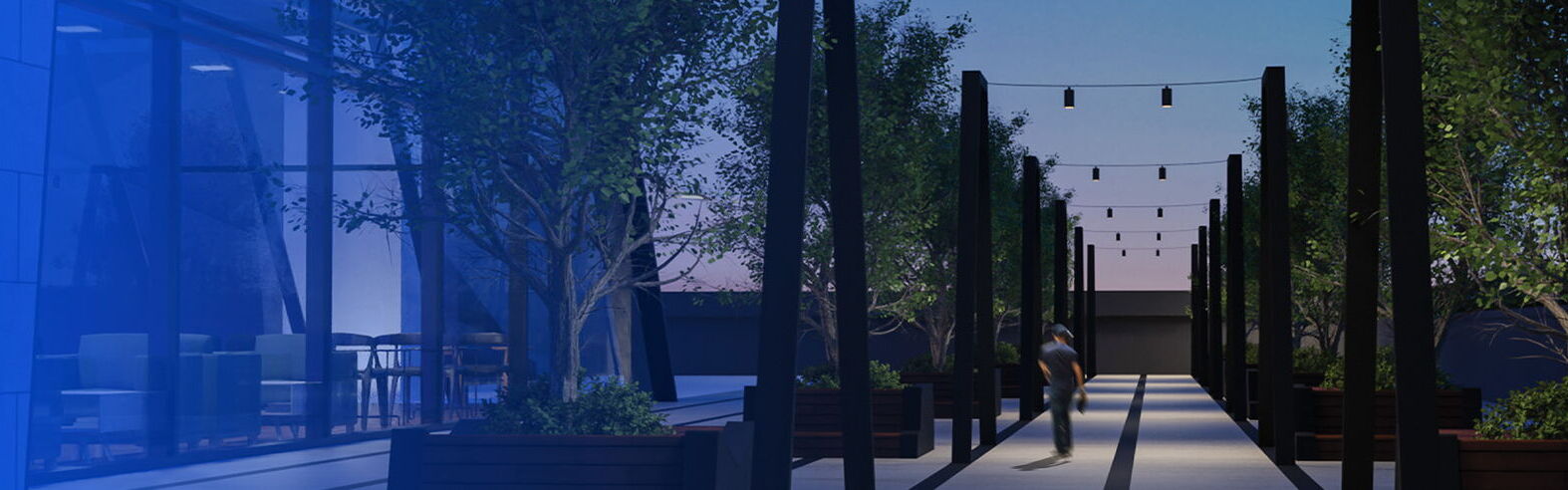
Support orientation, safety, and usage.Architectural lighting isn't just about looking good. It helps people find their way, makes paths and areas safe to use, and at the same time takes into account requirements such as visual comfort, energy efficiency, and the avoidance of unnecessary light emissions.
Our Services
We support your project from planning through implementation—tailored to the architecture, intended use, and requirements.

Why Elektron?
✓ Personalized Support: A dedicated contact person from concept to implementation
✓ Premium Partners: WE-EF, Designplan, Hahn Licht, Pro Light
✓ Comprehensive planning: From the initial sketch to commissioning
✓ Historic preservation included: Taken into account as early as the planning phase
✓ Lighting control: From DALI to Casambi

Areas of Application
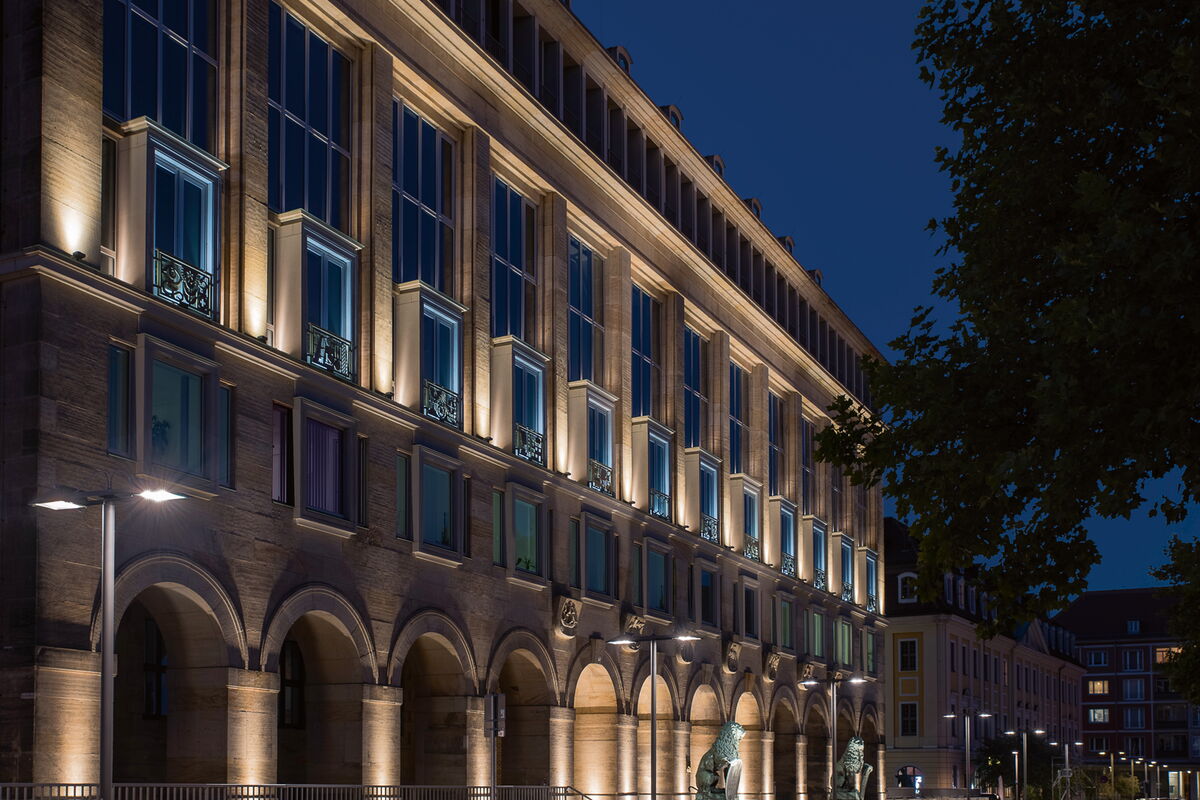
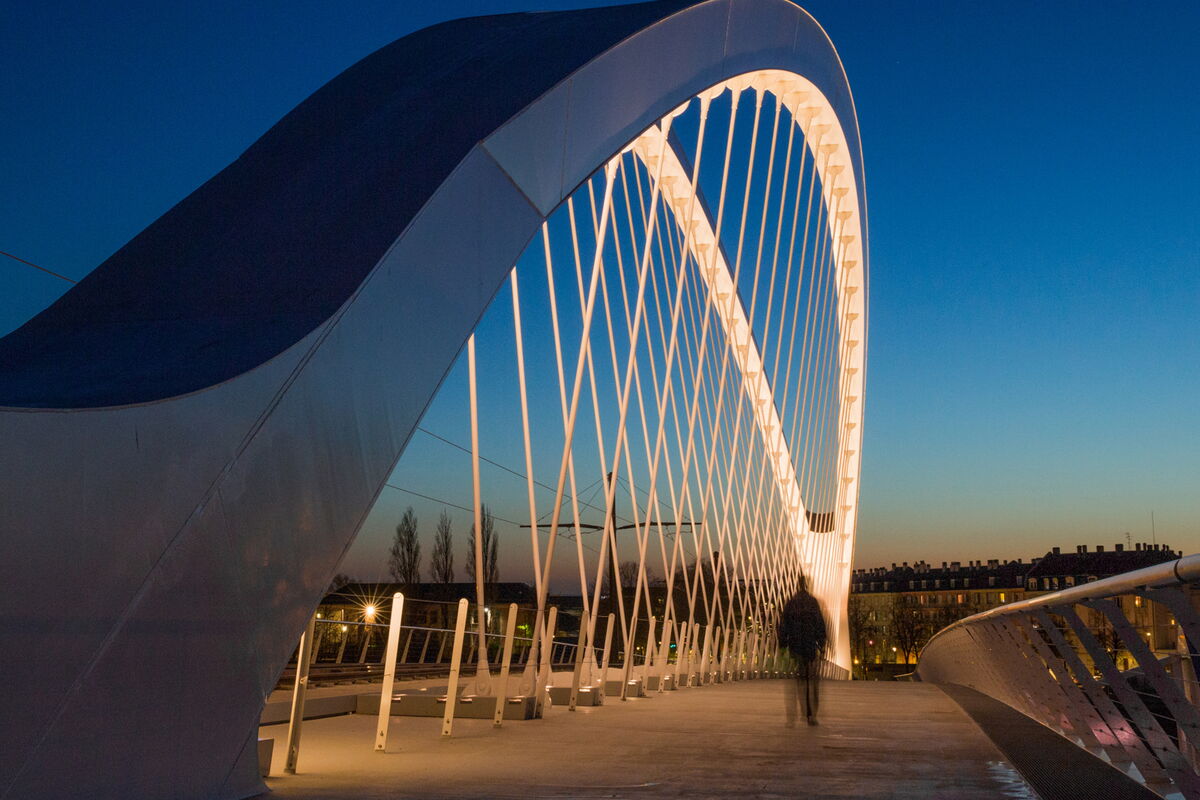
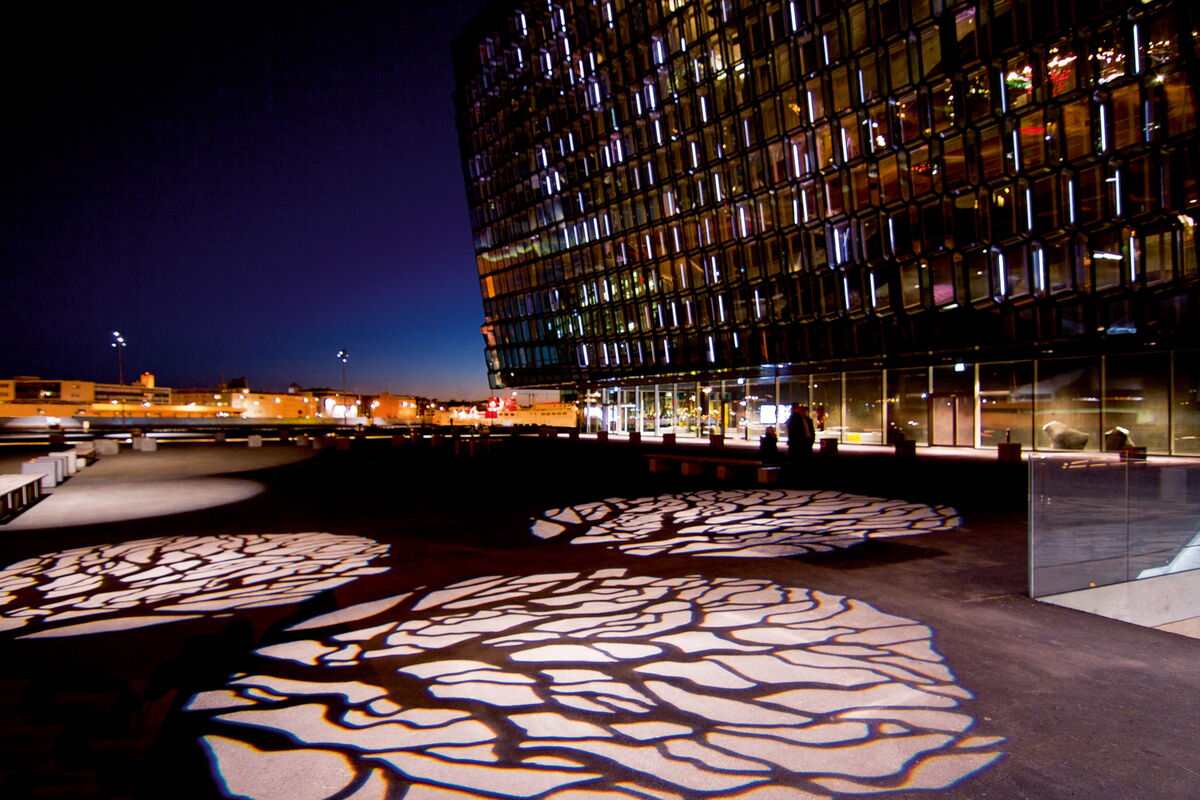
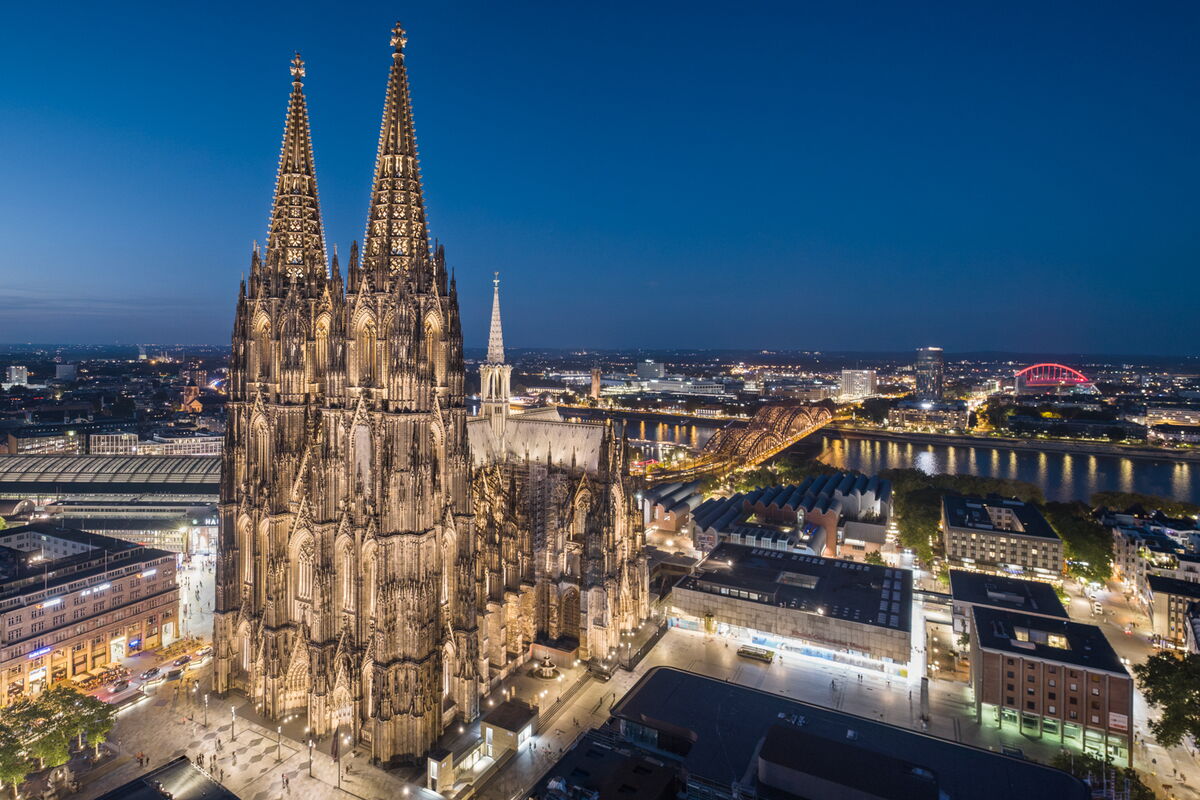
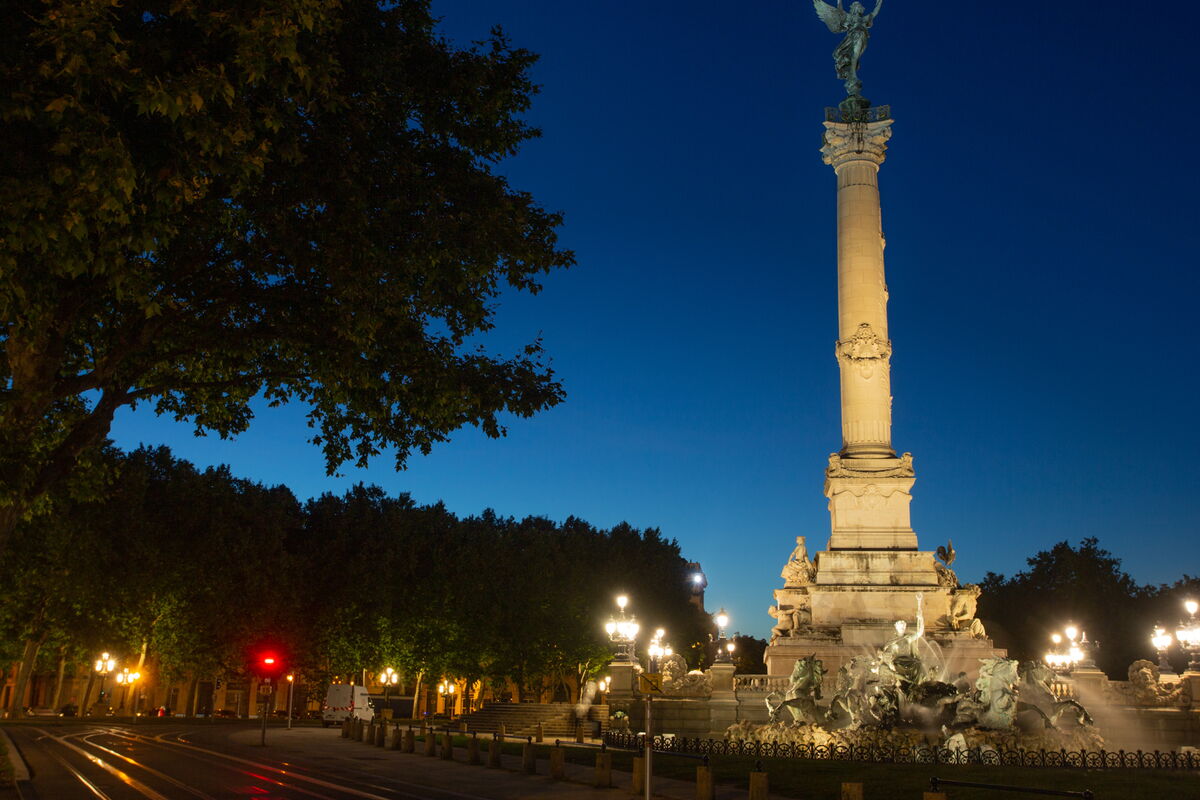
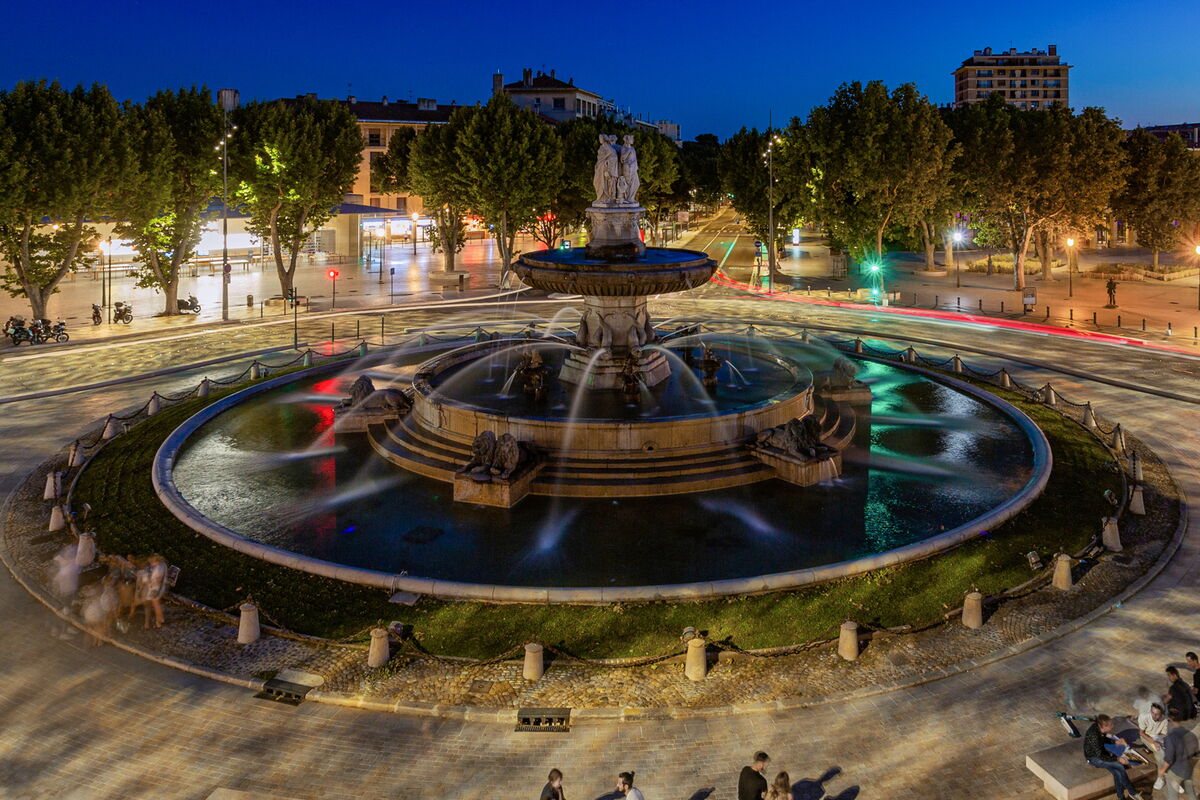
Whether it's a building facade, a bridge, or a public space—every project has its own specific requirements in terms of lighting, technology, and design.
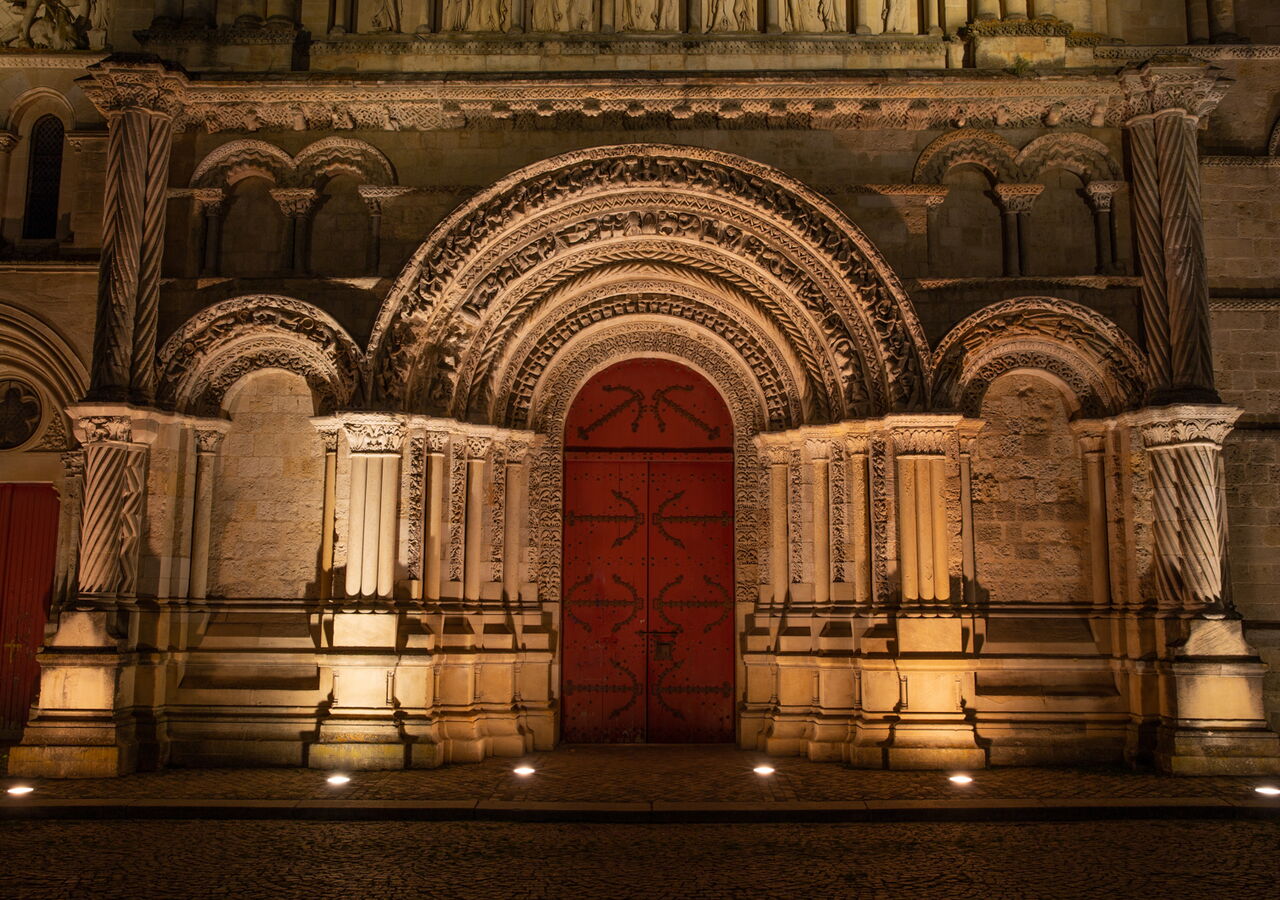
Historic Preservation Considered from the Very Beginning
Historic buildings present unique challenges when it comes to lighting. We take historic preservation guidelines into account as early as the planning phase and develop lighting solutions that highlight the architecture without altering its character.
Lighting Control

Control lighting as needed
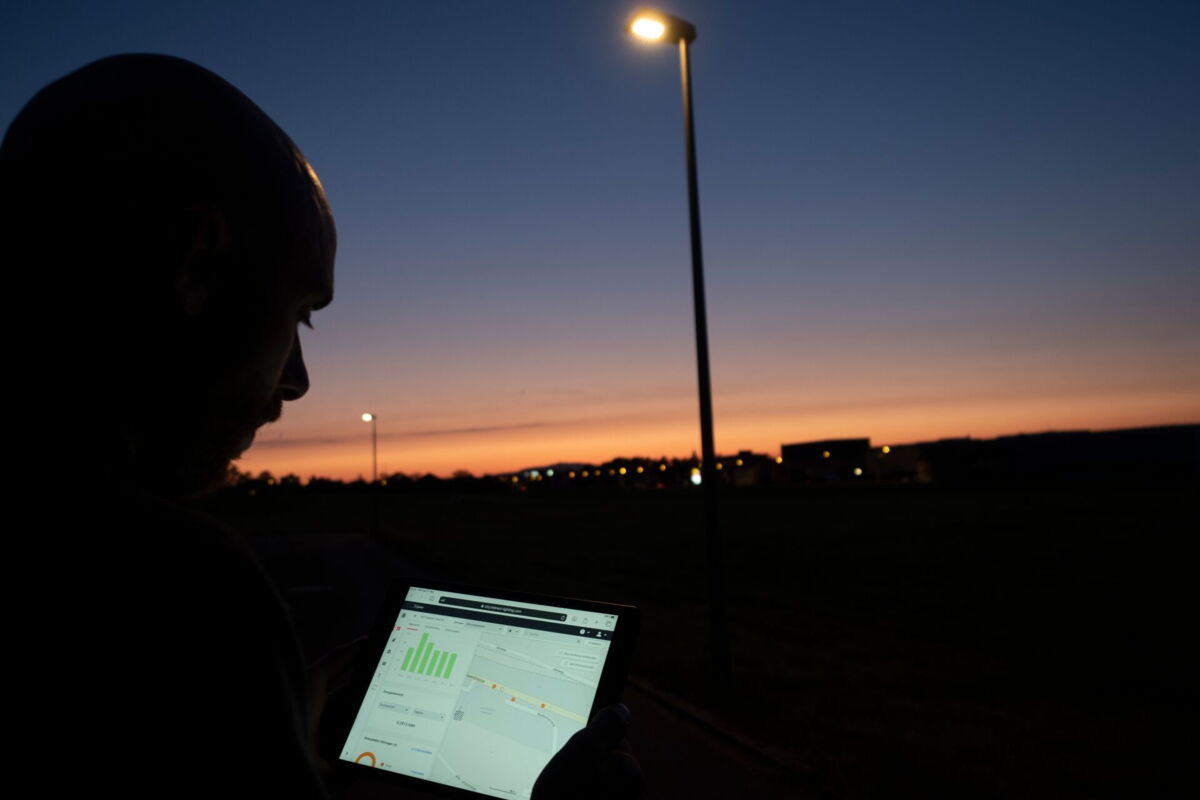
With smart lighting control, lighting can be flexibly adapted to different needs and situations. Light can be dimmed, controlled on a schedule, and programmed into custom scenes—for the right lighting effect at the right time.
✓ Flexible control via app, software, or switch
✓ Custom lighting scenes for different needs
✓ Time-based control and automatic nighttime dimming
✓ Demand-based lighting for greater energy efficiency
Our Partners
Together with leading manufacturers and drawing on our many years of design expertise, we create high-quality lighting solutions for architecture, public spaces, and sophisticated outdoor areas.