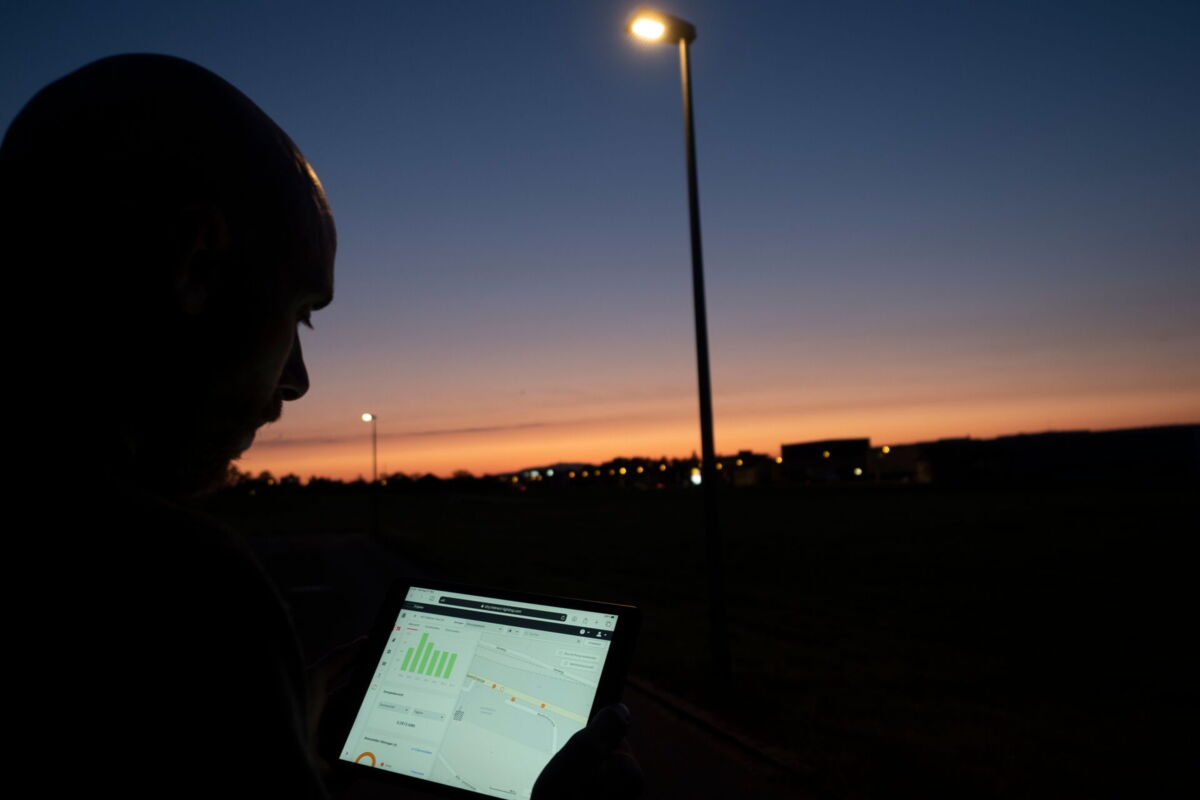







SLG Outdoor Lighting Conference 2026: When Light Thinks for Itself
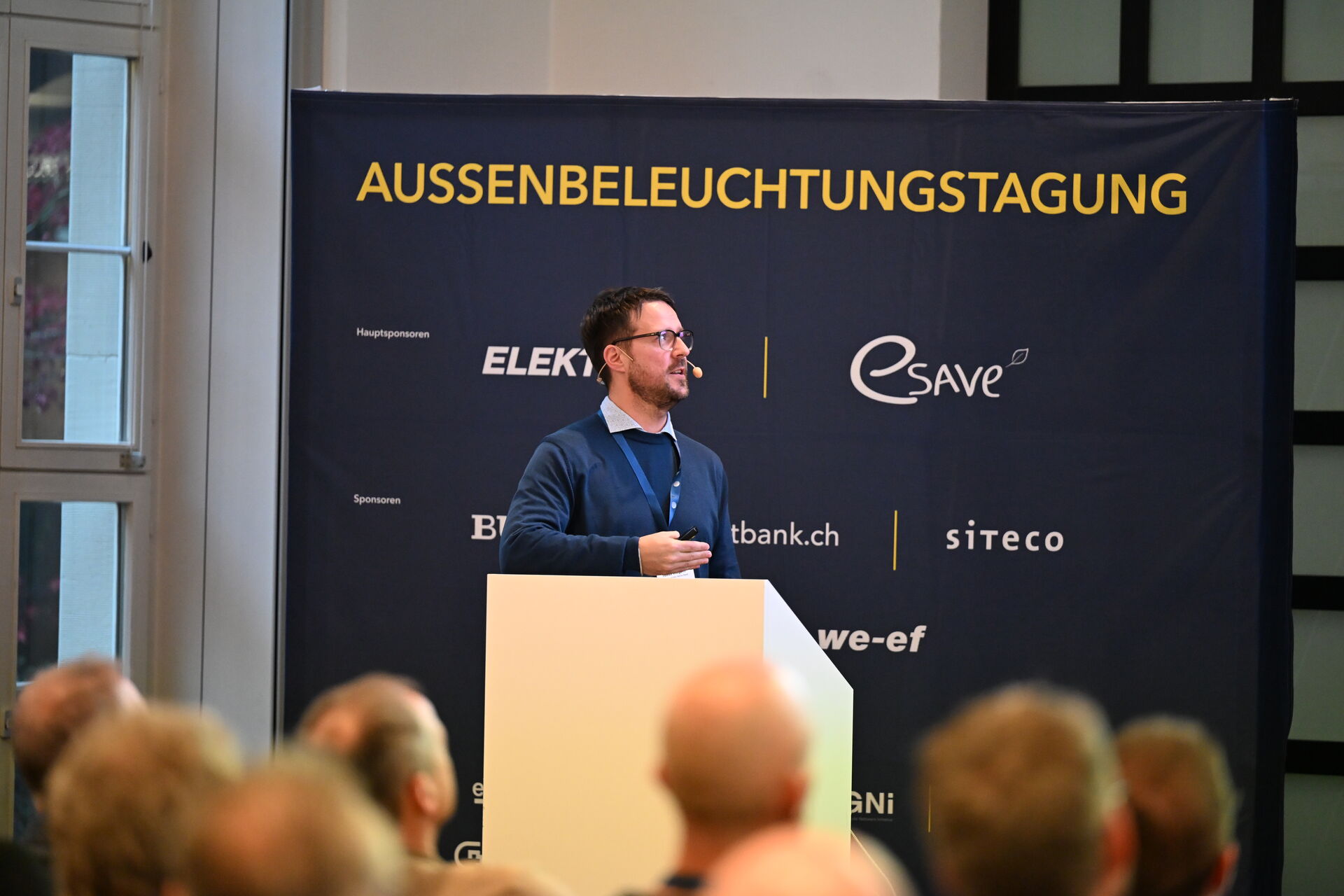
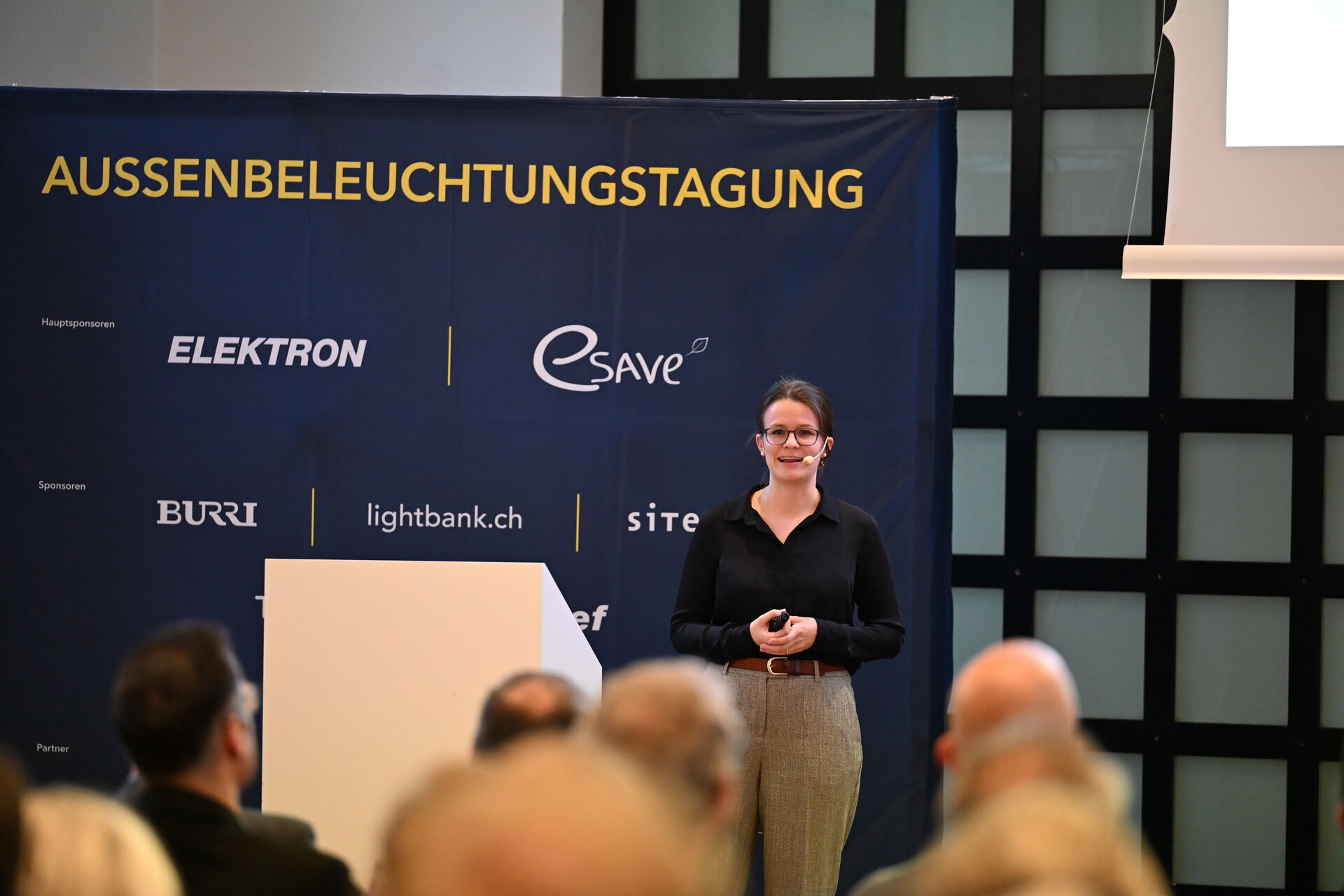
More Room for Innovation: This year, for the first time, the SLG Outdoor Lighting Conference featured a dedicated section of its program devoted to innovative solutions. Elektron participated with a technical presentation by Manuela Bolfing and supported the event as the main sponsor.
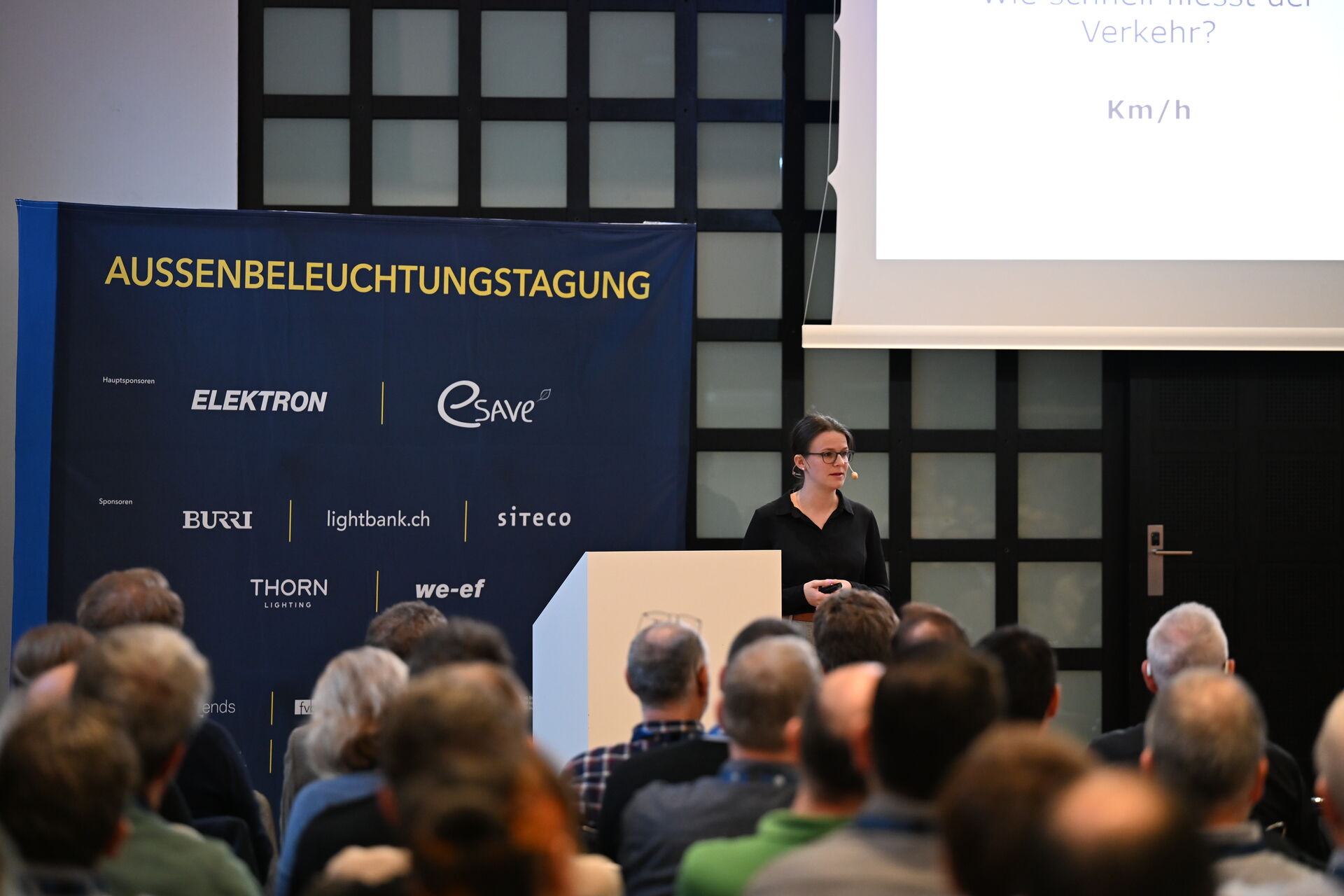
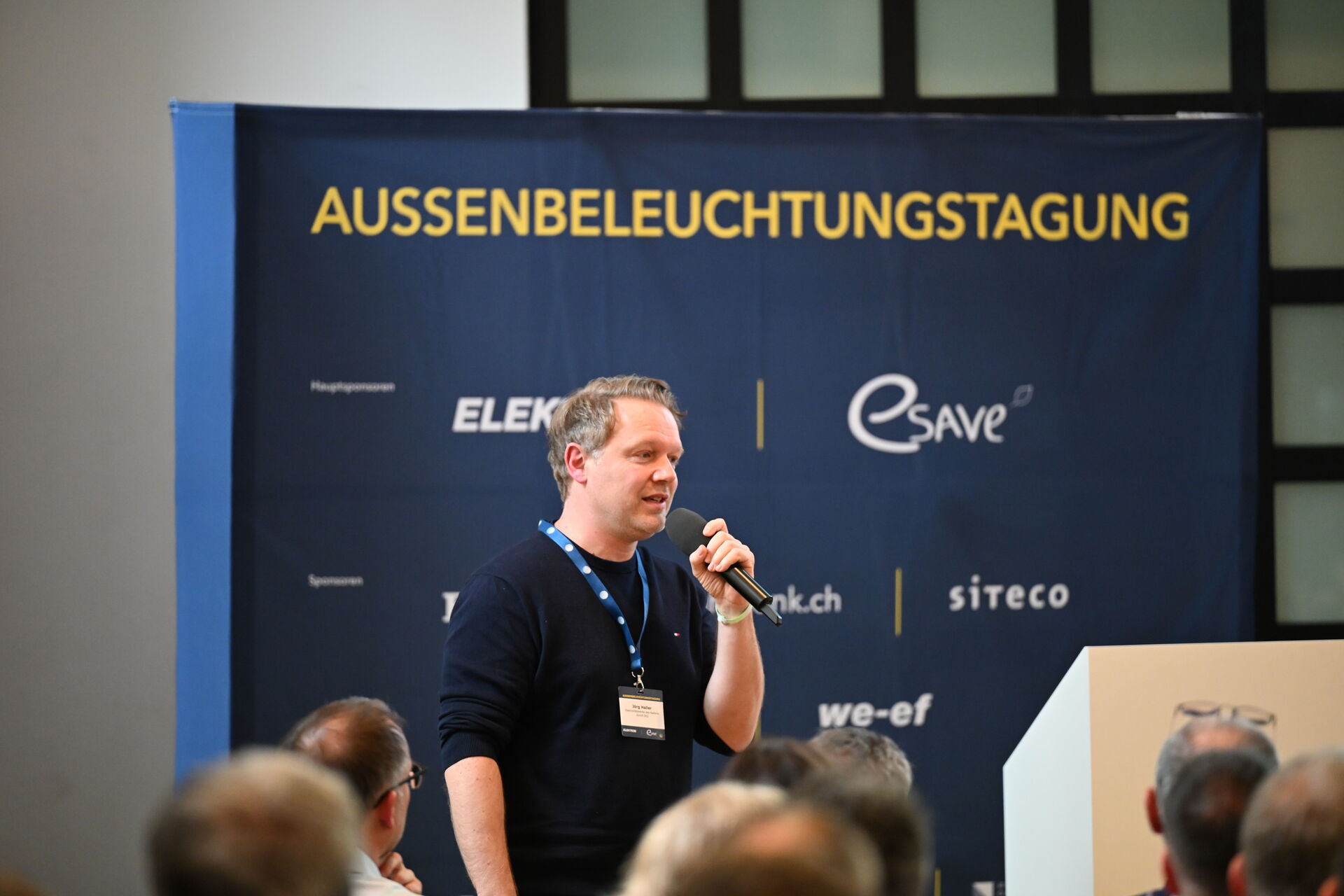
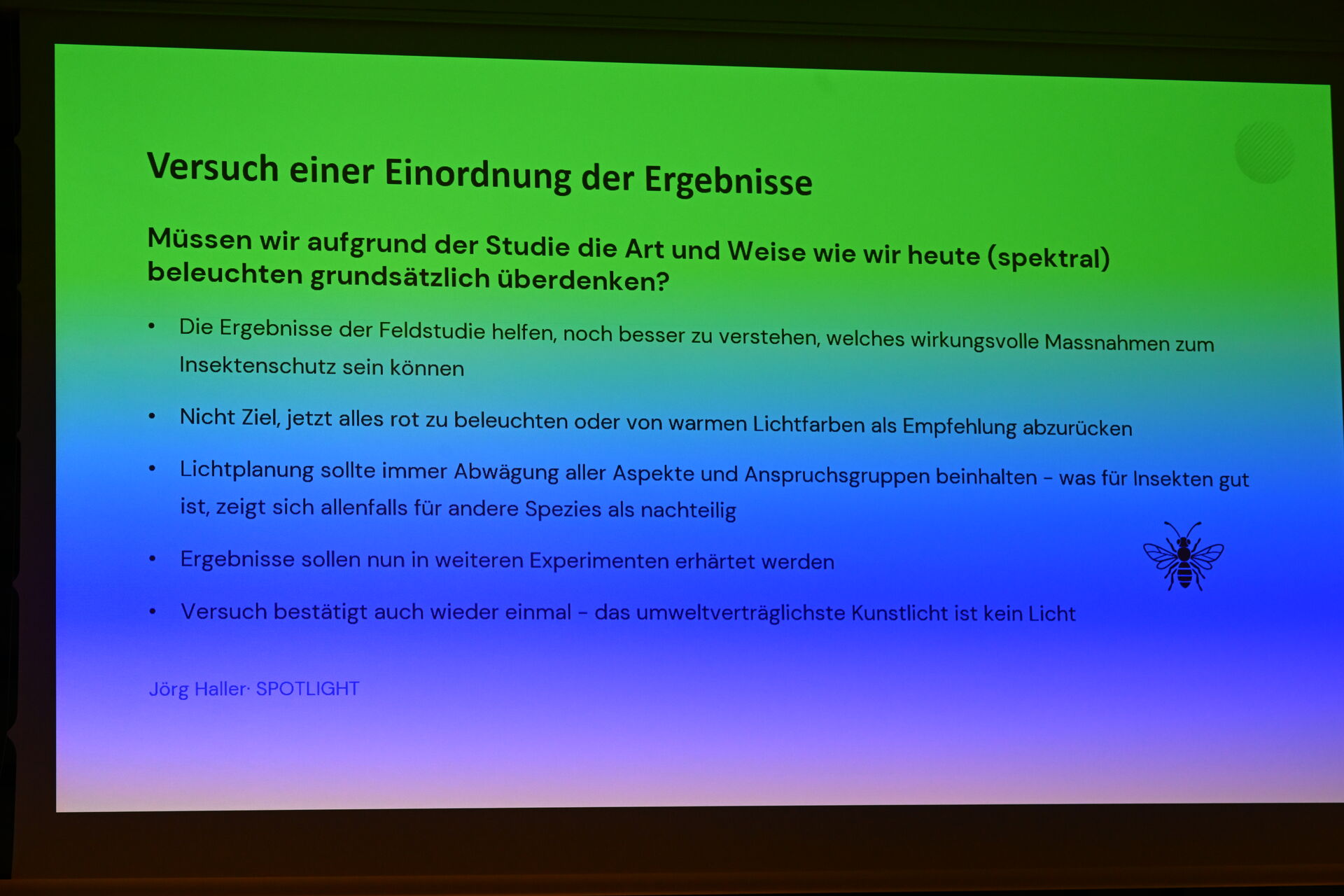
On November 18, 2026, municipalities, planners, and public lighting operators met at the Glockenhof in Zurich. The Swiss Lighting Society (SLG) organized the conference in collaboration with IG Strassenlicht. Topics ranged from the new SLG 401 guideline on light emissions to 3D light measurement using drones, and included the question of how light color affects insects and plants.
New Format: Innovation in the Program
A new addition to the program was the section titled “Innovative Solutions for Outdoor Lighting.” Companies were invited to submit presentations for this section, and the organizing committee evaluated them based on their innovative content, practical value, and technical quality. Sales presentations were expressly not permitted. The focus was on brief, well-researched technical presentations with direct practical relevance. Only two presentations were selected from all submissions, one of which was from Elektron.
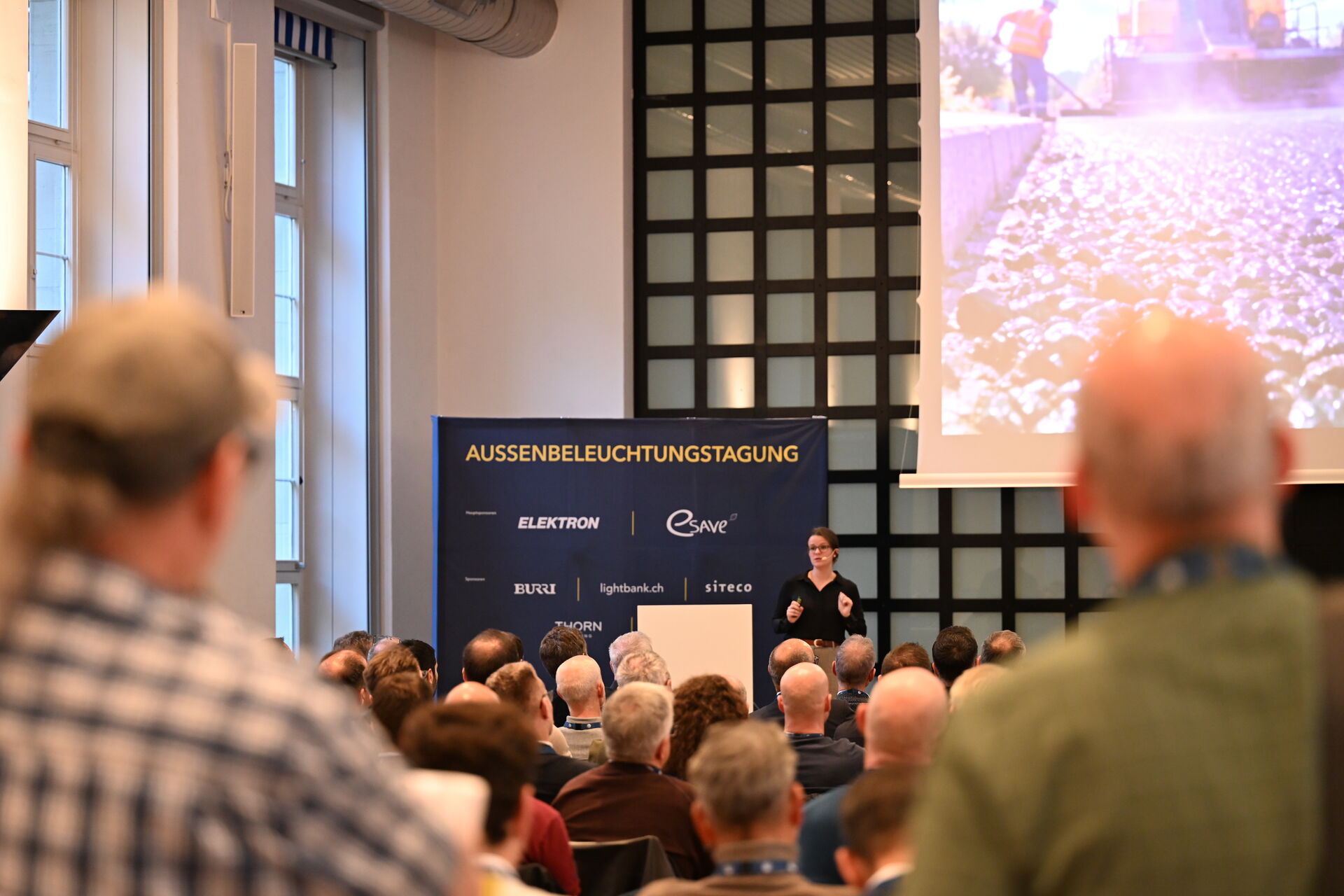
Data-Driven Lighting in Real Time and for the Future
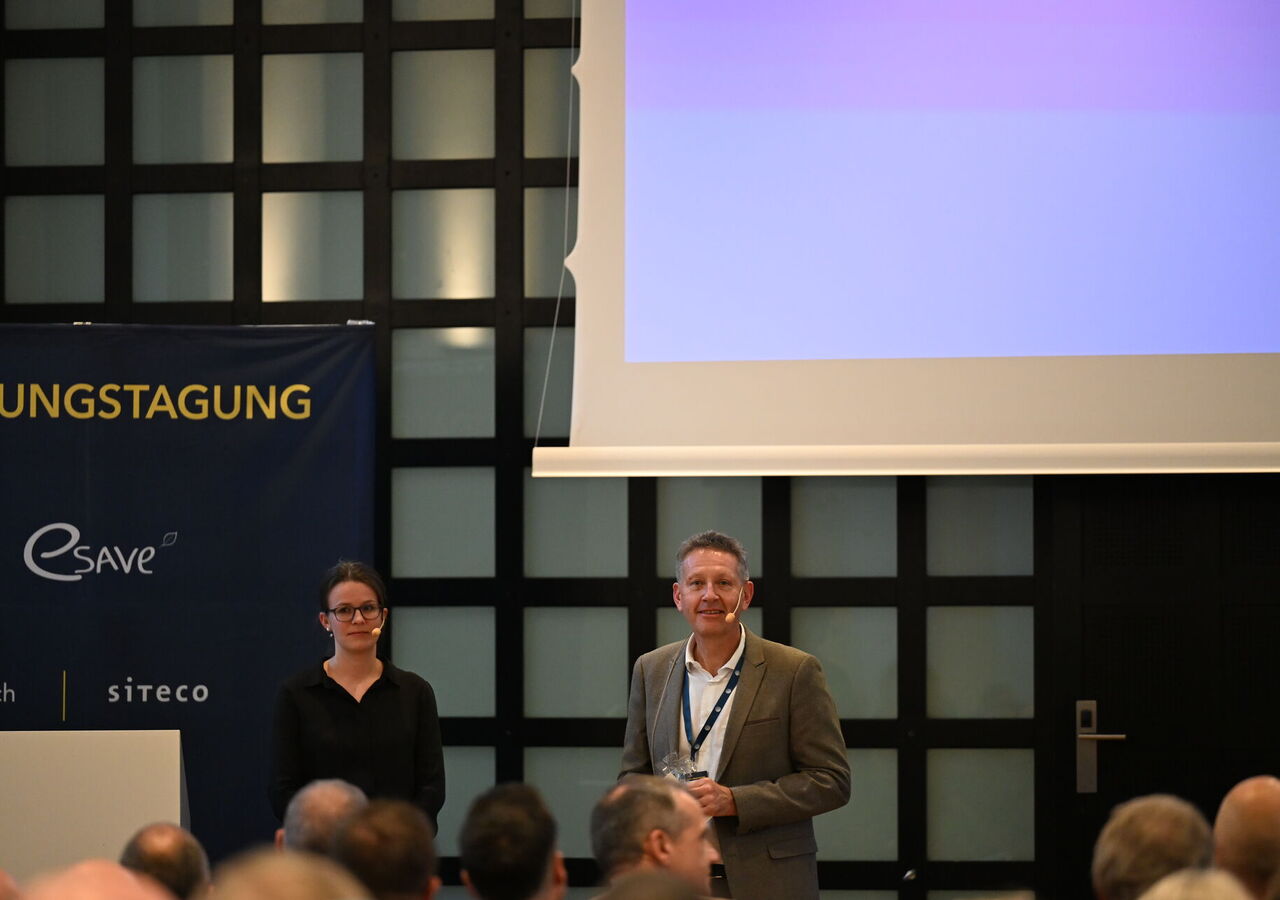
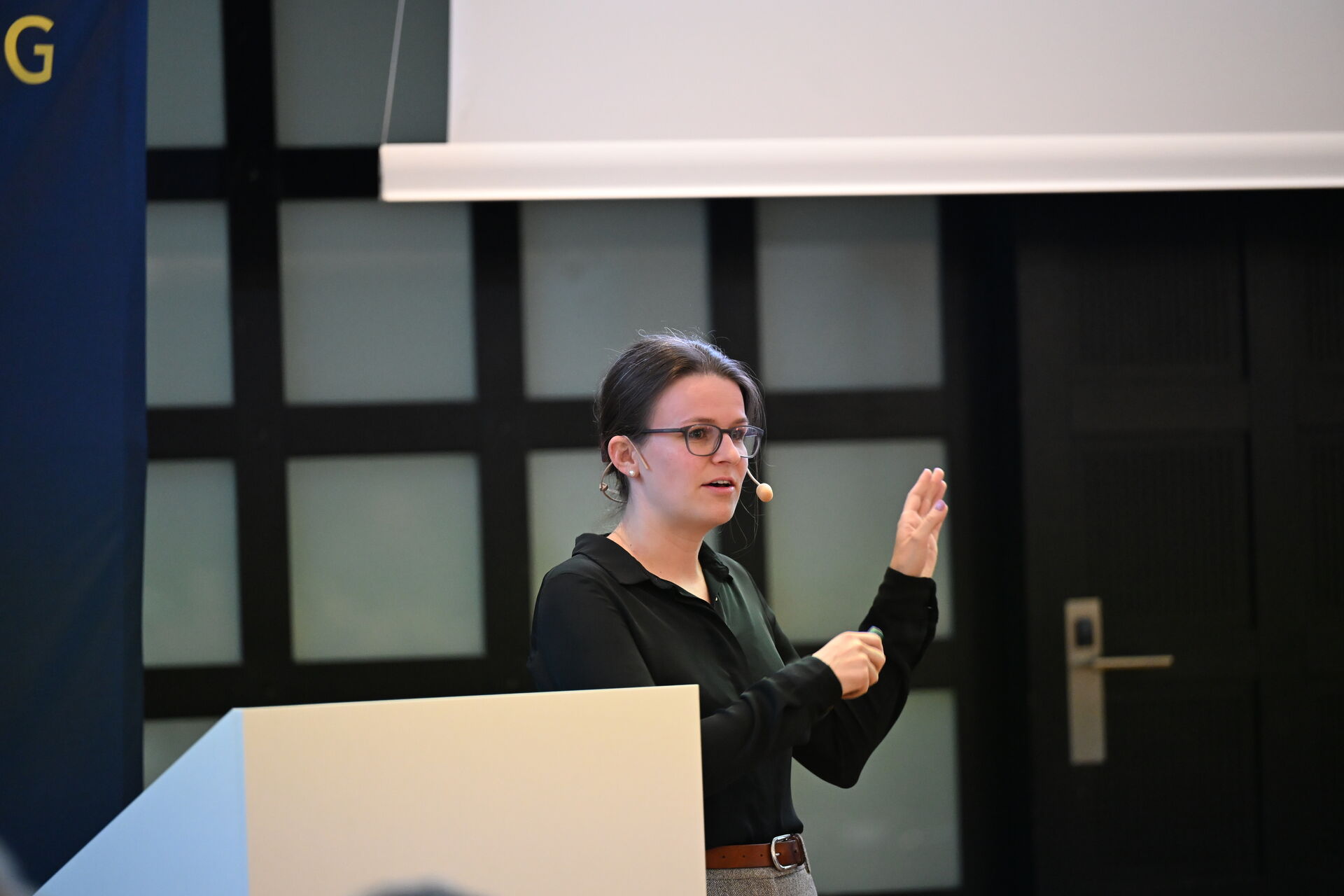
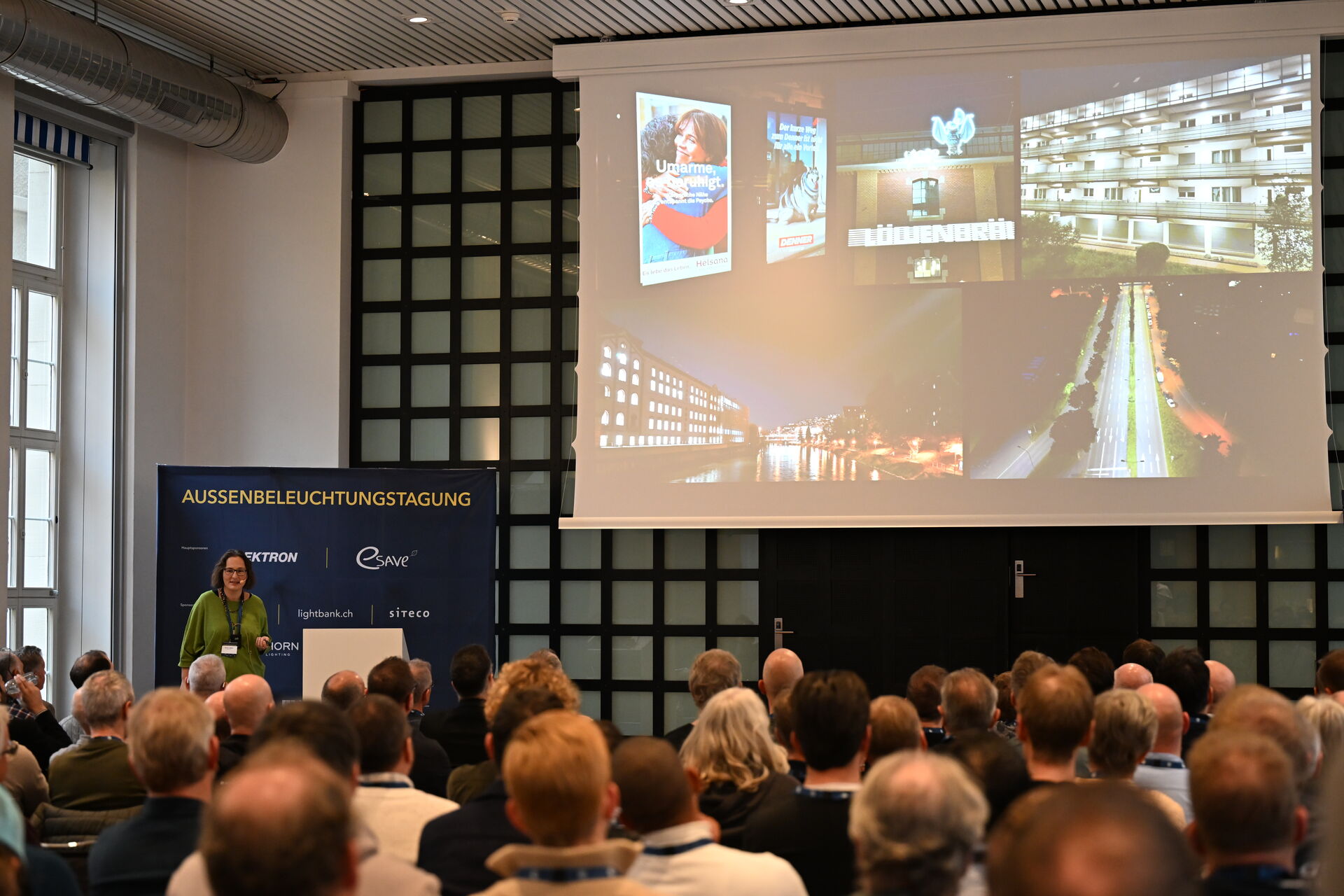
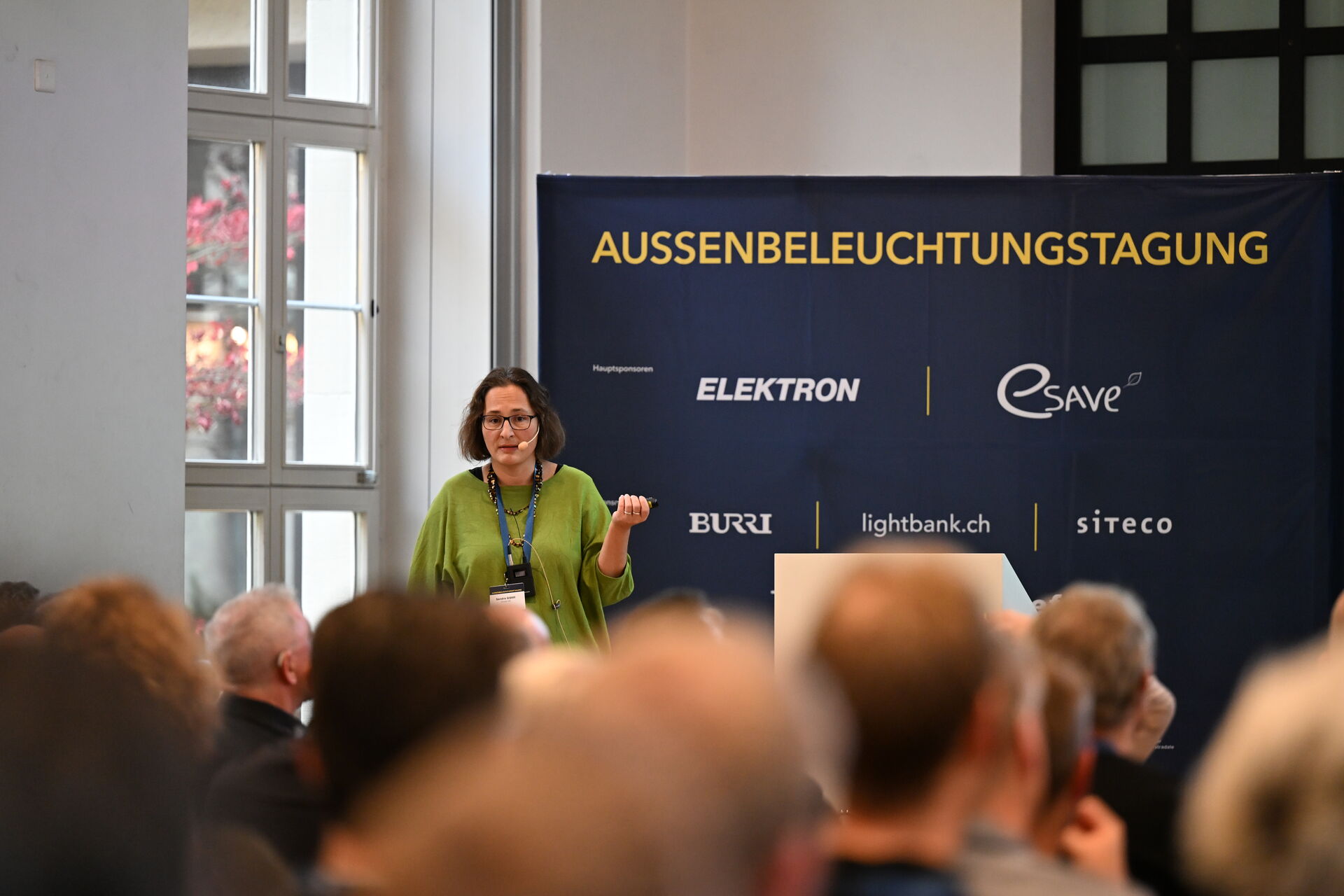
In her presentation, Manuela Bolfing, Product Manager for Control Systems at Elektron, asked a simple question: Why should lighting adhere to a rigid dimming profile when reality is constantly changing?
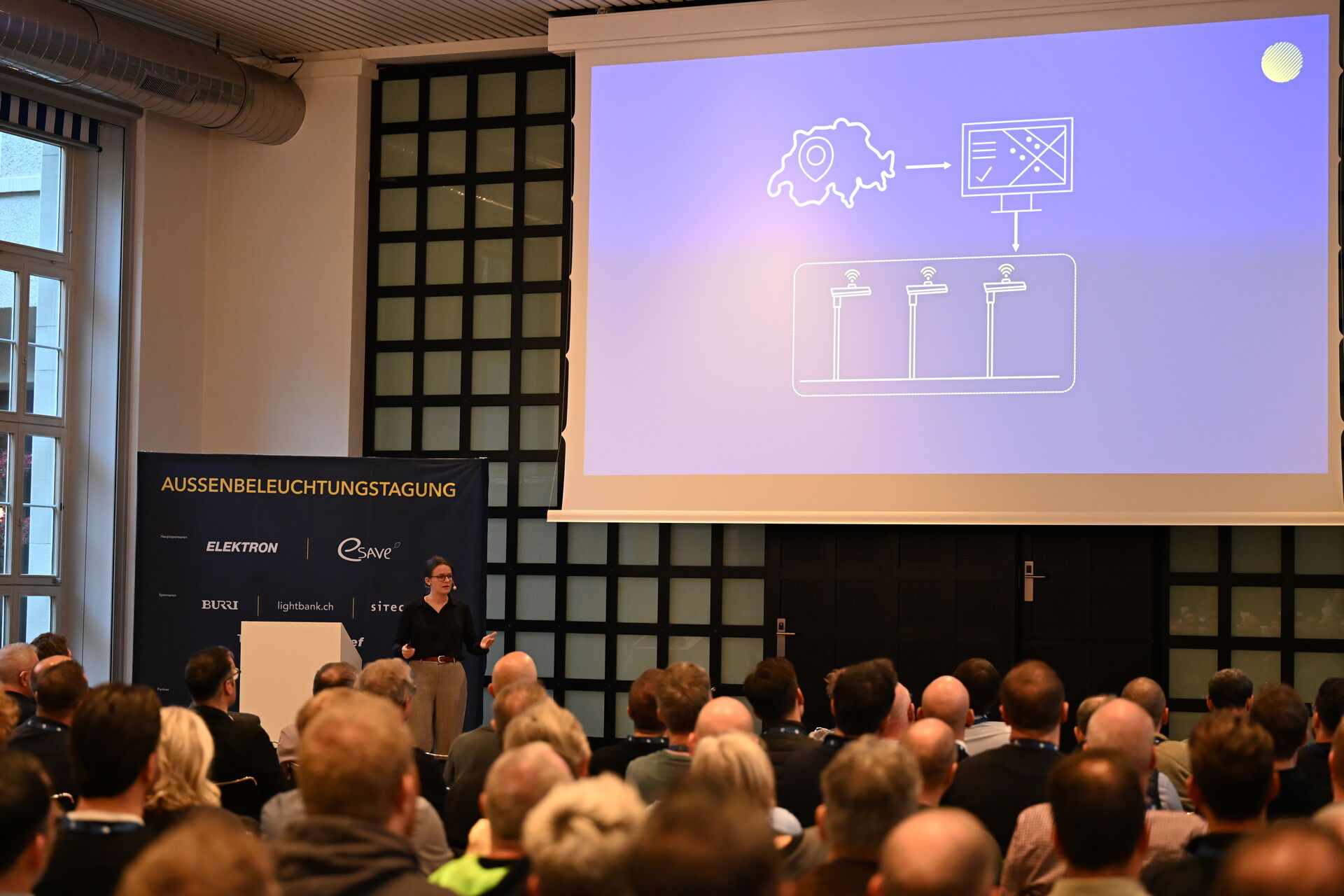
Her answer is adaptive lighting. Traffic, weather, and event data are already available online in real time. Elektron uses this data and automatically translates it into the appropriate lighting level. One example is the so-called “jam factor,” which combines traffic flow and vehicle volume into a value between 0 and 10. Weather data and forecasts are also factored in. In this way, the lighting reacts not only to what is happening right now, but also to what is about to happen—such as the end of a soccer game or an approaching rain shower.
The practical benefit: No additional on-site sensors are required. This means less planning and maintenance effort, easy commissioning, and parameters that adjust automatically. The solution can be scaled from a single street segment to an entire city. This saves energy, reduces light pollution, and increases safety because the light is brightest where it’s needed.





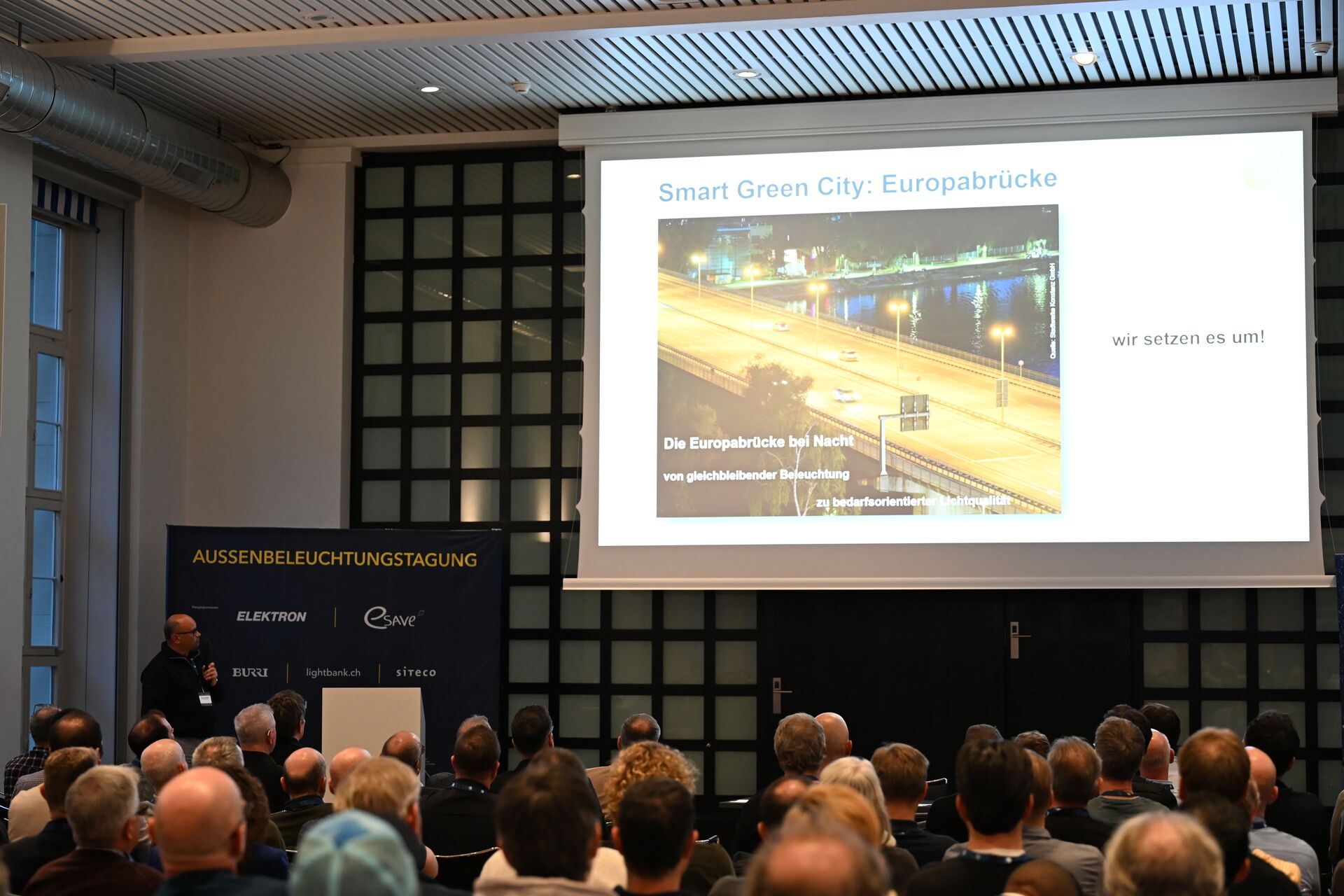
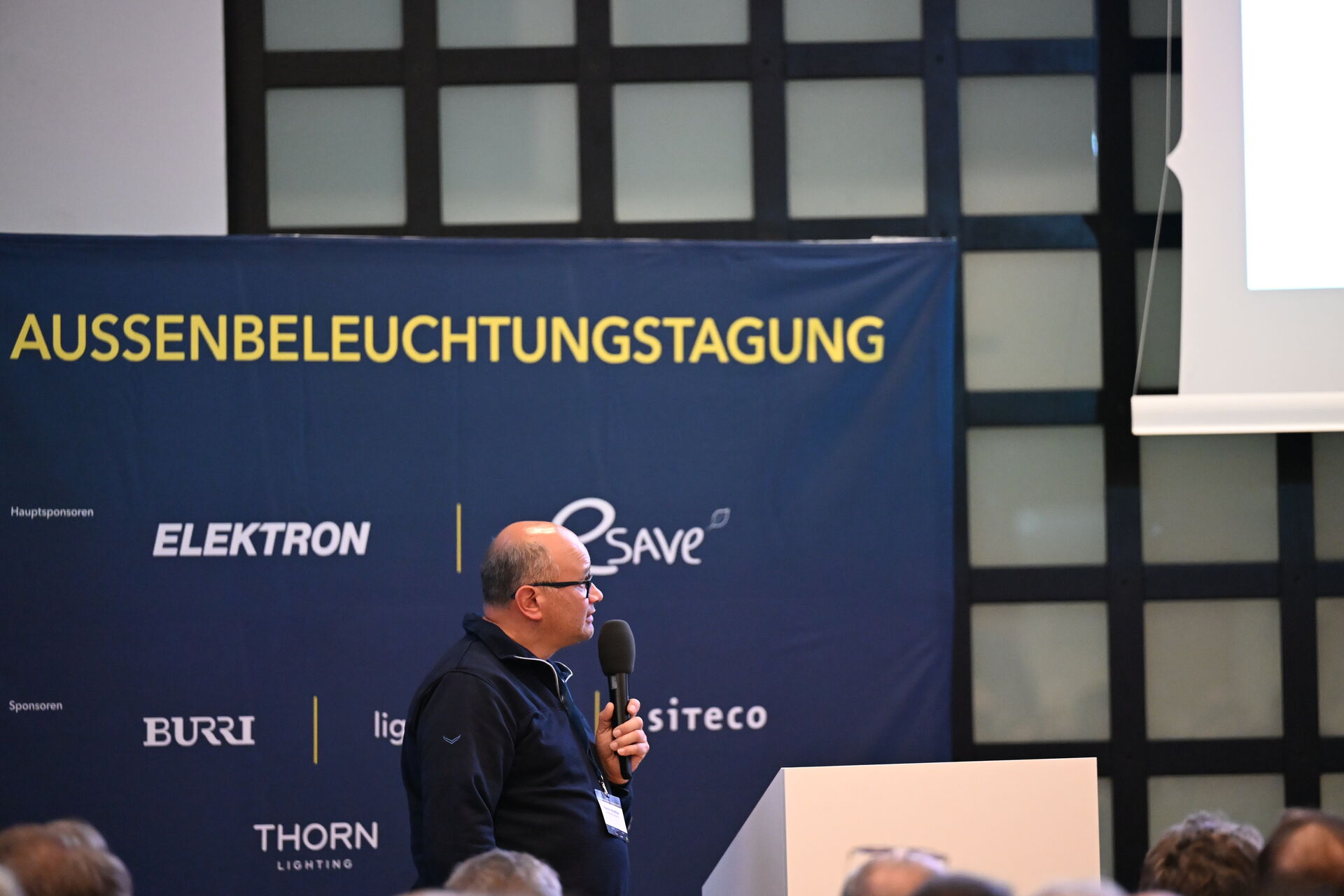
Thank you for the discussion
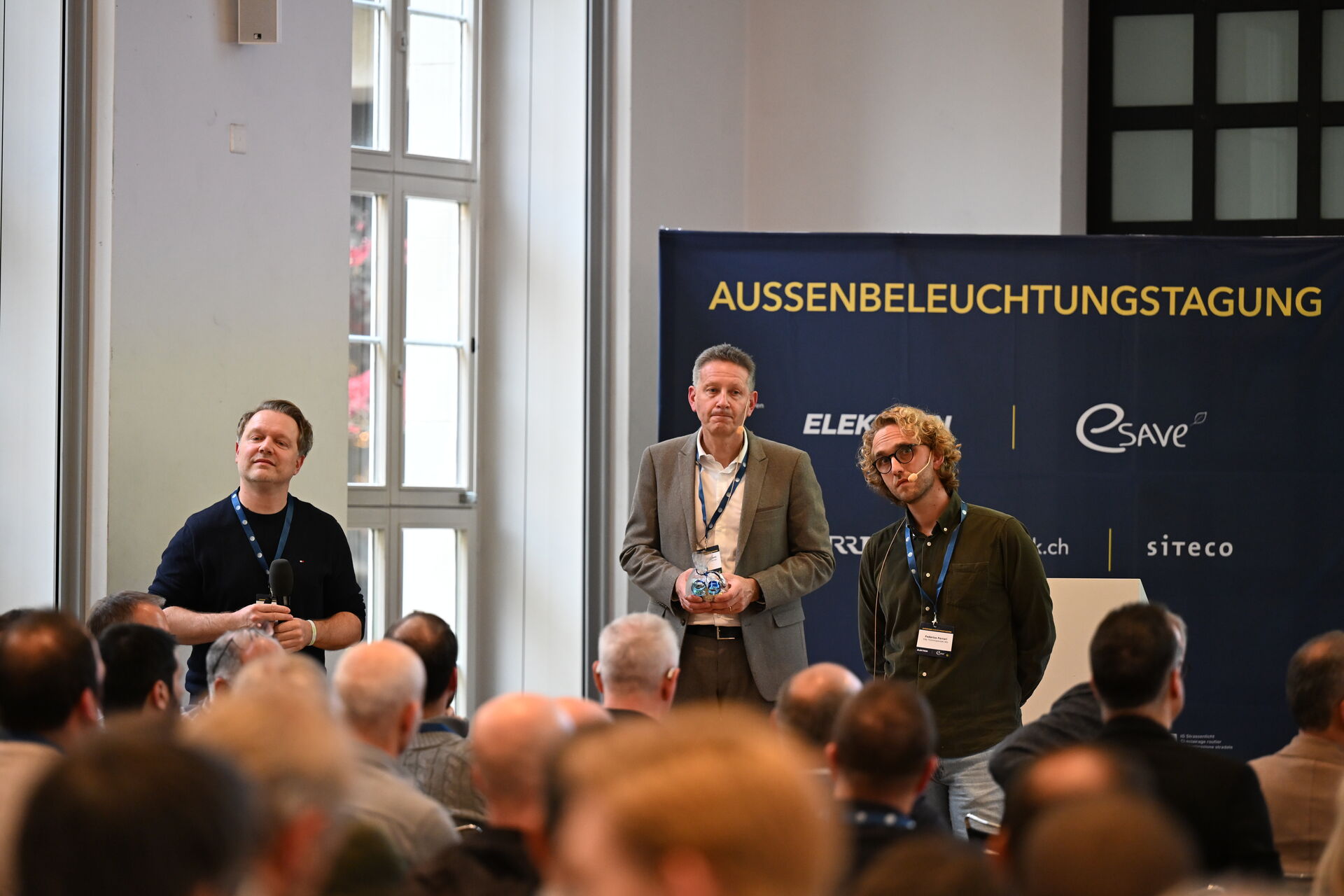
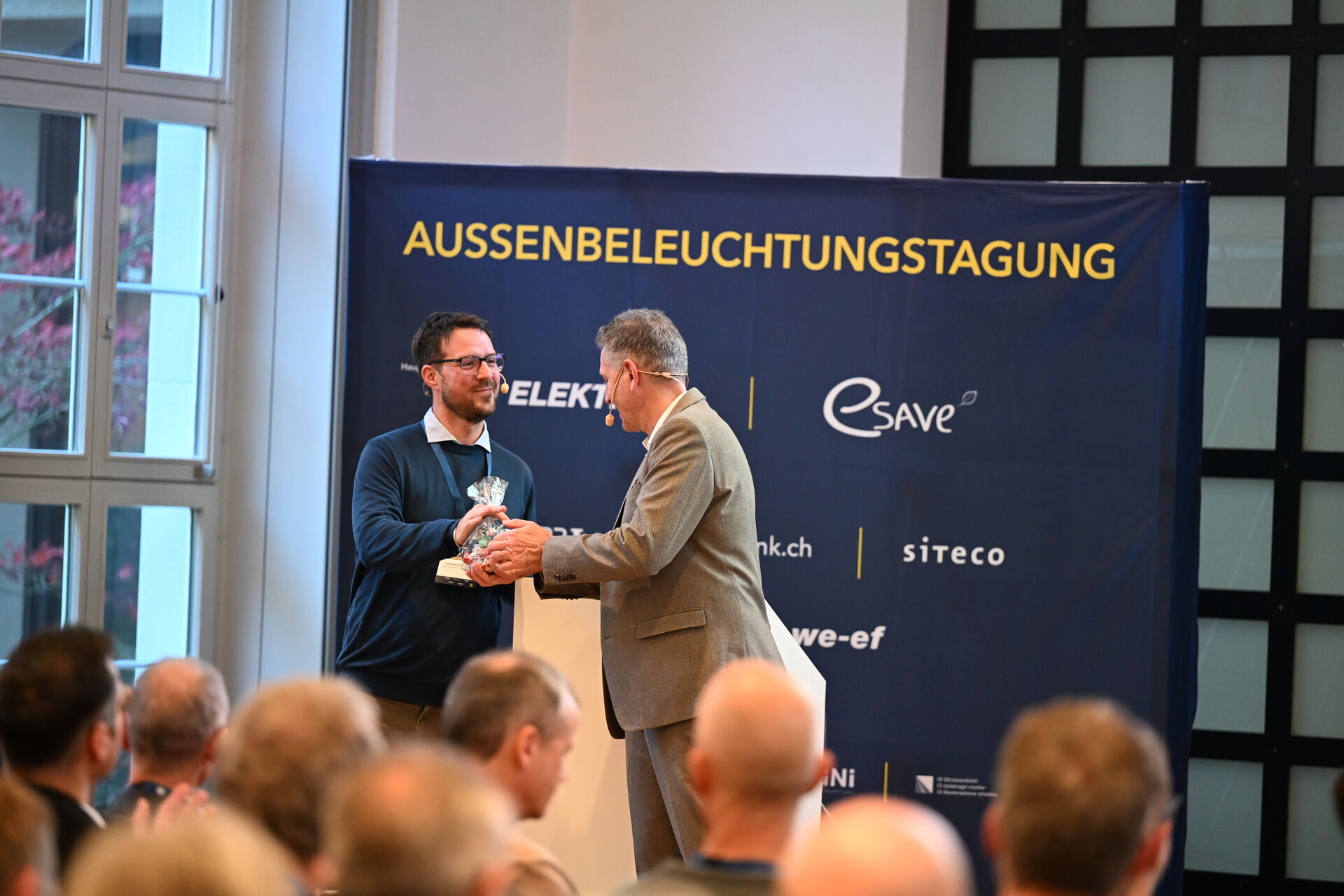
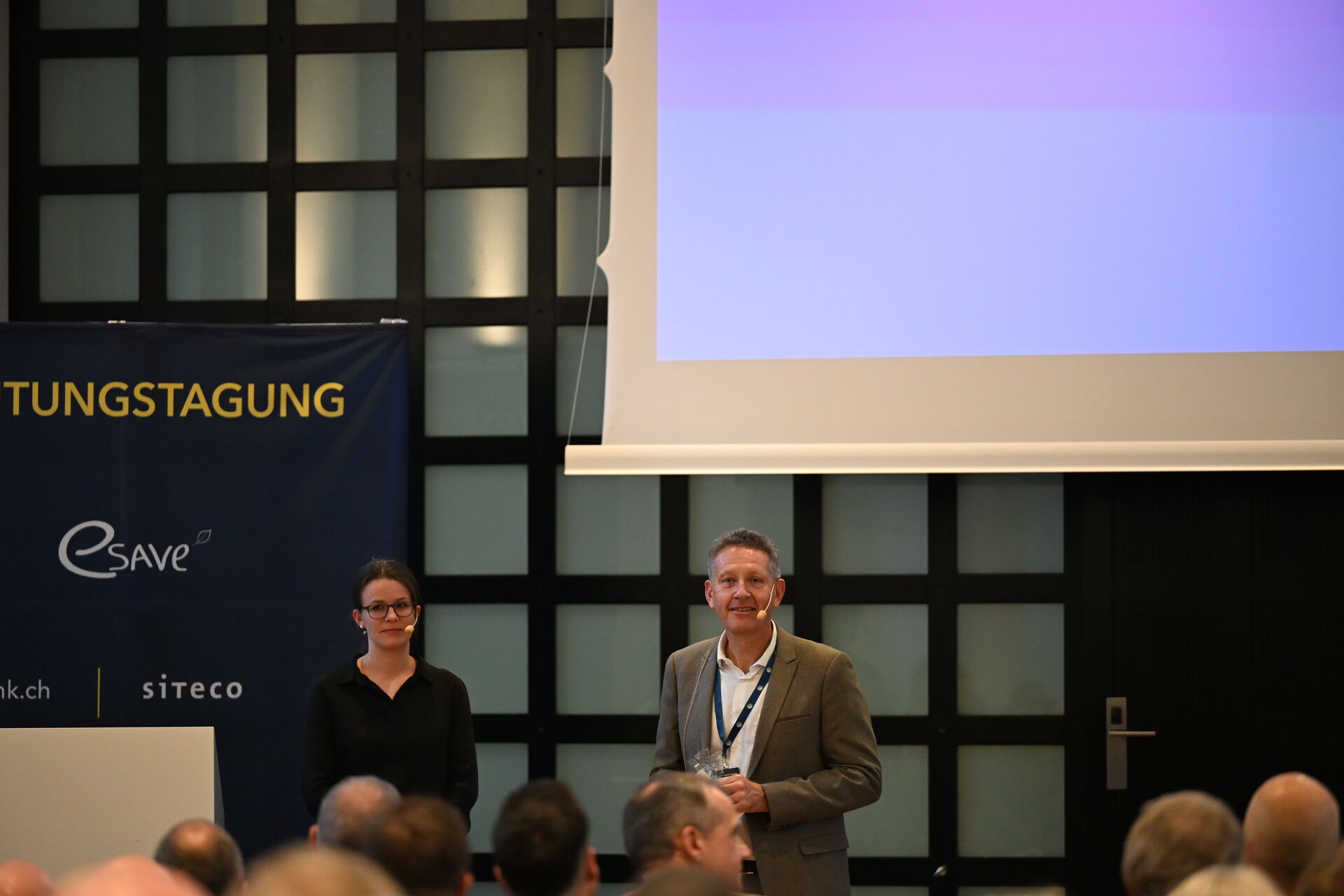
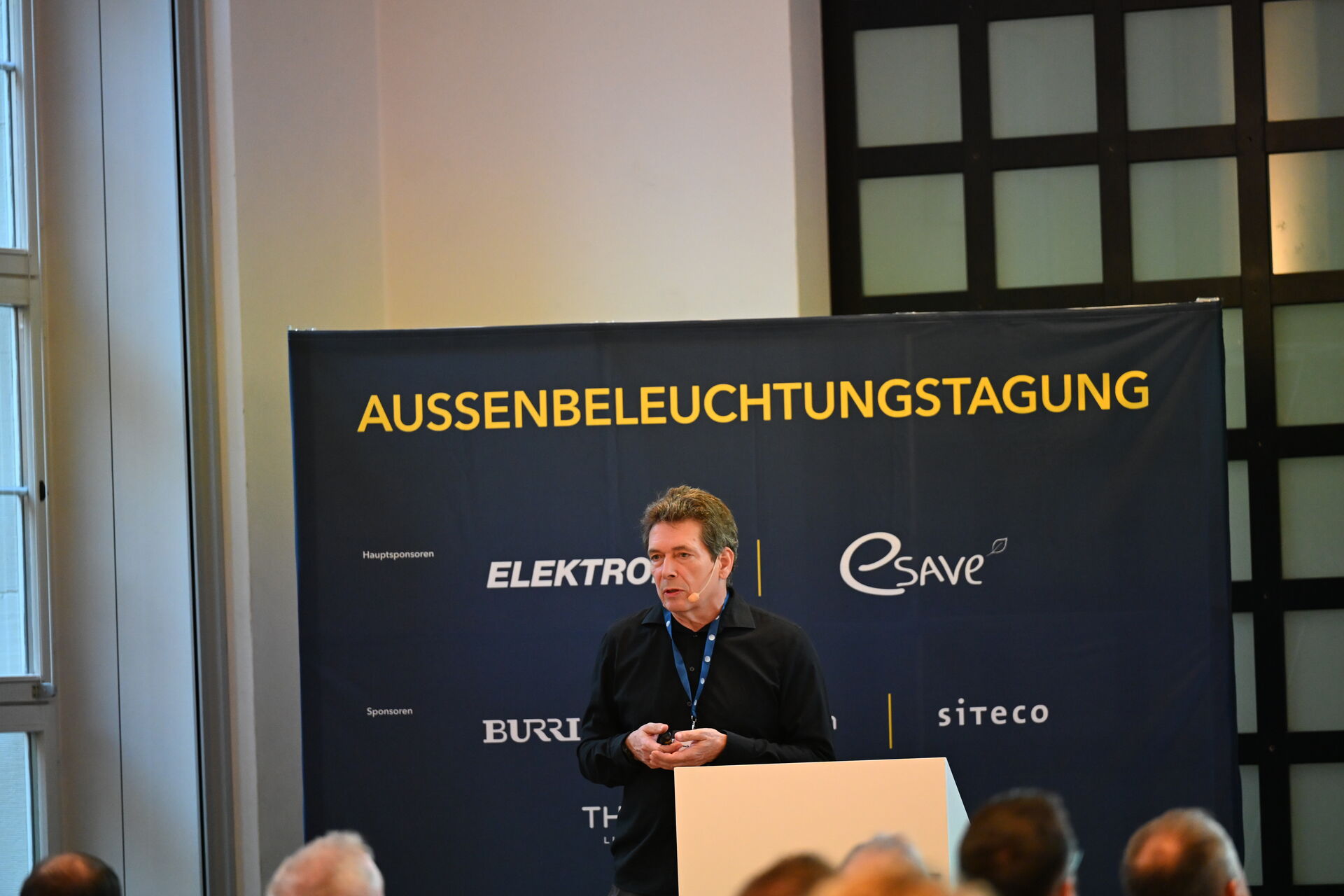
We would like to thank SLG and IG Strassenlicht for organizing the event, and all participants for the engaging discussions, especially during the cocktail reception. The new format demonstrated just how much innovative potential there is in Swiss outdoor lighting. We are already looking forward to the next edition.
Would you like to learn more about adaptive lighting and data-driven control?
Our team will be happy to assist you.